


Your cart is currently empty!
You may check out all the available trips and book one that suits you.
Continue Browsing Trips

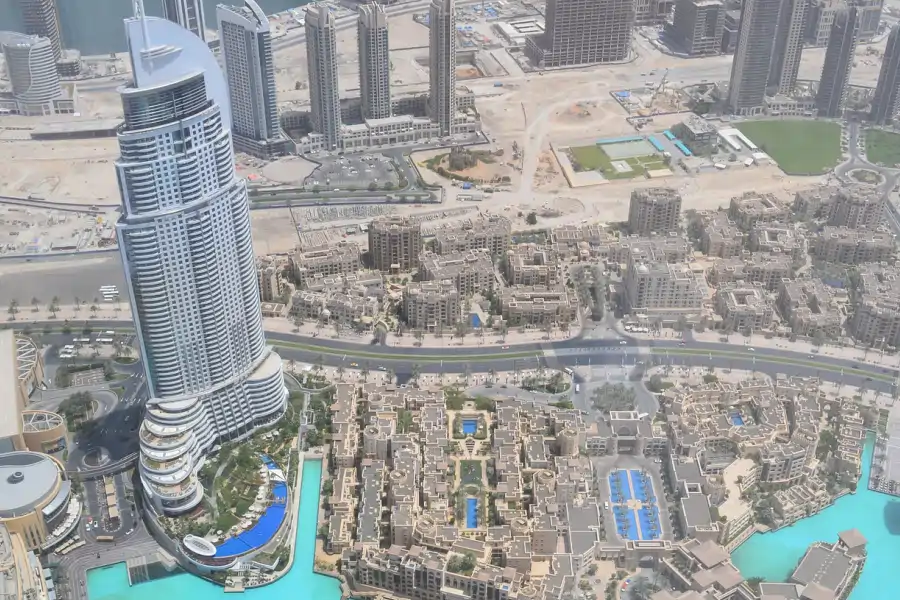
Dubai does something to first-time visitors. You land, clear immigration, step outside, and the scale of it hits you. Buildings that shouldn’t be possible. Roads that go on forever. A city that, forty years ago, was mostly desert, and now has an indoor ski slope.
It’s a lot. And it can feel overwhelming to plan if you’ve never been. Flights, visas, which area to stay in, what things actually cost versus what you think they cost. Kenyan travellers in particular have specific questions that generic Dubai guides don’t answer.
This one does.
Yes. Kenyan passport holders require a visa to enter the UAE. The good news is the process is straightforward and doesn’t take long if you do it correctly.
Tourist visa options:
You apply online through the UAE government portal or through your airline if you’re flying Emirates or flydubai — both offer visa services as part of the booking process. Emirates in particular makes this relatively painless. Processing typically takes three to five business days. Apply at least two weeks before travel to avoid last-minute stress.
Cost is roughly USD 90–120 for a 30-day tourist visa depending on the processing channel. Some travel agents (including us) can handle the application on your behalf.
One important note: your passport needs to be valid for at least six months beyond your intended travel dates. Check this before you apply.
Emirates flies direct from Jomo Kenyatta International Airport to Dubai International Airport. Flight time is around five hours. It’s one of the most frequently operated routes out of Nairobi, which means reasonable availability and competitive fares if you book early.
Kenya Airways also operates the route. Flydubai has options with connections. Emirates tends to offer the best combination of frequency and service for this route.
When to book: Two to three months ahead for good fares. Dubai is a year-round destination so there’s rarely a perfect window — prices spike around Eid, Christmas, and school holidays from both Kenya and the UAE. January and February tend to have better availability at reasonable prices if your dates are flexible.
Arriving at Dubai International Airport (Terminal 1 or 3 depending on your airline), you clear immigration, collect bags, and have the option of the Metro, taxi, or a prearranged transfer to your hotel. The Metro is cheap and efficient if your hotel is near a station. Taxis are metered and honest. A prearranged transfer is easiest if you’re arriving late or with a lot of luggage.
Dubai sits in a desert. That matters for planning.
October to April is when you want to go. Temperatures are between 20–30°C, skies are clear, and outdoor activities are comfortable. This is when the city is fully alive — events, outdoor markets, the Dubai Food Festival, and good beach weather all fall in this window.
November to February is peak season. Weather is at its best (sometimes genuinely cool in the evenings in January). It’s also when most people visit, which means hotel prices are higher and popular attractions get crowded.
May to September is summer. Temperatures regularly hit 40–45°C with high humidity. Outdoor activity is mostly impossible between 10am and 6pm. Indoor Dubai — malls, museums, indoor ski slopes, aquariums — still works, and hotels cut prices significantly to compensate for the heat. Some Kenyan travellers actually prefer summer Dubai for this reason: lower costs, malls to yourself, and the novelty of extreme heat is its own experience.
If it’s your first time and weather matters to you, go between October and March.
Dubai is a long city — it stretches along the coast for about 35 kilometres. Where you stay determines what’s easy to access and what requires a 30-minute drive.
Downtown Dubai is central, walkable (for Dubai), and close to the Burj Khalifa, Dubai Mall, and the Dubai Fountain. If you want to be near the main landmarks without depending entirely on taxis, this is the area. Mid-range to luxury hotels are the standard here.
Dubai Marina is popular with first-timers who want a beach feel combined with a lively promenade, restaurants, and easy access to JBR Beach. Good for couples and groups. Hotels range from mid-range to upscale.
Deira and Bur Dubai are older parts of the city near the Creek. More affordable, more local in character, and closer to the gold souk and spice souk. If you want to see a less polished side of Dubai without going far, staying here gives you that.
Palm Jumeirah is for the full luxury experience. Resort hotels, private beaches, and the Atlantis at one end. It’s impressive but you’ll spend a lot on taxis to get anywhere else.
For most first-time visitors from Kenya, Downtown Dubai or Dubai Marina are the practical choices.
There’s a version of Dubai tourism that involves ticking off every landmark on a list and spending a lot of money doing it. There’s another version that’s more selective and more enjoyable.
Worth doing:
Burj Khalifa — go to the 124th or 148th floor observation deck. Book online in advance (walk-up prices are significantly higher). Sunset or after dark are the best times. It’s genuinely impressive and understanding the scale of Dubai from above helps you make sense of the city.
Dubai Creek and the Old Souk — take an Abra (traditional wooden boat) across the creek. It costs next to nothing. Walk through the gold souk and the spice souk. This is the part of Dubai that predates the skyscrapers and it’s worth an afternoon.
Desert Safari — a half-day or full-day desert experience includes dune bashing in 4×4 vehicles, camel riding, sandboarding, and a camp dinner. Most tours run in the late afternoon through sunset. It’s touristy in the best sense — the desert is real, the dunes are real, and it’s a side of the UAE that first-timers often don’t expect.
JBR Beach and The Walk — free. Sit on the beach, walk the promenade, eat somewhere reasonably priced. Not everything in Dubai costs a lot.
Dubai Mall — yes, it’s a mall. It also has an aquarium, an ice rink, and is connected to the Burj Khalifa. Worth at least an afternoon even if shopping isn’t your thing.
Worth skipping (or being selective about):
Atlantis Aquaventure — the waterpark is fun but expensive. If you have kids it might be worth it. For adults on a first trip, the money is better spent elsewhere.
Helicopter tours — spectacular if you have the budget. Easy to skip if you don’t.
Luxury dinner cruises — there are budget versions that are perfectly decent and expensive versions that don’t deliver proportional value. Research before booking.
Dubai has a reputation for being expensive. The reality is more nuanced.
Meals: A shawarma from a local spot costs AED 10–15 (roughly KES 350–500). A sit-down meal at a mid-range restaurant is AED 50–100 per person. A meal at a rooftop restaurant with a view of the Burj Khalifa is AED 200–400 per person. All three are available. You choose the mix.
Transport: The Metro is AED 2–8 per trip. Taxis start at AED 12 and are metered. Uber and Careem operate and are comparable to taxis. Getting around is not expensive if you’re not taking taxis everywhere.
Hotels: Budget options in Deira start at USD 40–60 per night. Mid-range in Marina or Downtown runs USD 100–150. Luxury from USD 250 upward. Dubai has more hotel supply than almost any city in the world, which keeps prices competitive outside peak season.
Activities: The Burj Khalifa observation deck is AED 149–249 depending on the level and time. A desert safari runs AED 150–300 per person. The Dubai Museum costs AED 3. The range is wide and most first-time itineraries don’t need to be heavy on paid attractions.
Day 1: Arrive, check in, walk Dubai Marina or JBR Beach in the evening. Recover from the flight.
Day 2: Burj Khalifa and Dubai Mall in the afternoon (go at sunset). Dubai Fountain show after dark. Dinner Downtown.
Day 3: Morning at the old souk and Dubai Creek. Abra ride. Gold and spice souks. Afternoon rest. Desert safari from 3pm through dinner.
Day 4: Free day. Beach morning. Shopping or a museum. Early evening flight back to Nairobi or an additional night if your schedule allows.
Four days covers the main experiences without rushing. Five days gives you breathing room.
Dubai is a Muslim city. Dress modestly in public spaces — covered shoulders and knees outside of beach and pool areas. This relaxes significantly at beach resorts and in malls, but the general rule applies in souks, mosques, and government buildings.
Alcohol is available in hotels, licensed restaurants, and bars. It’s not available in public spaces or unlicensed venues.
The currency is the UAE Dirham (AED). Cards are accepted almost everywhere. ATMs are widely available. You don’t need to carry much cash but a small amount is useful for the souk and the Abra.
Tap water is technically safe but most people drink bottled. Bottled water is cheap and available everywhere.
Tipping is appreciated but not mandatory. Ten percent at restaurants is reasonable if you’re happy with the service.
The logistics of a Dubai trip from Nairobi are manageable. Visa, direct flight, hotel, and a few booked activities cover most of what you need. The part that trips people up is not knowing what things cost, which area to stay in, and which activities are worth the money.
That’s what we’re here for. Move Expeditions has been putting Kenyan travellers in Dubai — and bringing them back happy — for years. Tell us your dates, your budget, and what you want out of the trip. We’ll put together an itinerary that makes sense.
Ready to plan your Dubai trip? Contact us and let’s figure out the details.